


Master your Arranging
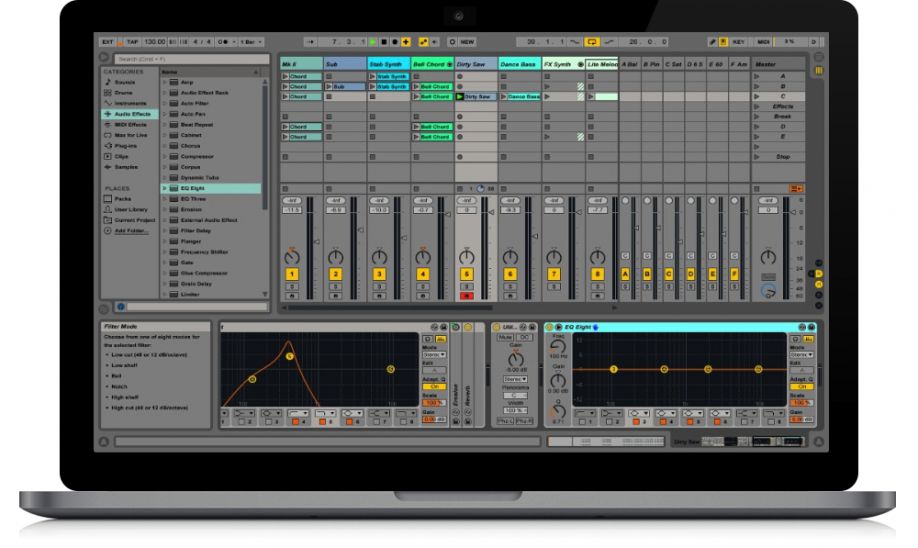
With the many levels of producing a track , arranging is one that is approached with both a creative and technical view getting the right arrangement can set your track on a hit path , get it wrong and your track will sound nothing more then a mix basket of sounds
Taking some tips from the music radar tuition blog here are some pointers on how to go about setting the right arrangement for your production
Listen …
Listen to your favourite tracks and try to work out what it is in the arrangements that makes them work. The more you listen, the better you'll get at picking out the oh-so-important minor details.
Be honest about your own work
Every once in a while, try to take a step back and analyse your own arrangements. It's easy to get hooked up to a section of your arrangement, but if it isn't working, be truthful decide to dump . It might set you back , but your arrangement will benefit from it in the long run.
Learn music theory
Even if you learn just the basic , it can help you , it will help you to easier analyse what is working or clashing musically in your arrangement , even understanding the rhythms of the songs can help you avoid mashing up your rhythms
Empahsis Verses and Choruses
If you working with a vocal track that has verse chorus structure try leaving space in an arrangement, especially in a verse. You don't always have to have chordal instruments playing – dropping all the instruments except the drums, vocals/ melody and possibly the bass can be very striking, and you also get real impact when the chords come back in for the choruses.
Vary your choruses
If you've got a main hook or chorus that's repeated a lot, things can get boring. Try swapping instruments about, changing the dynamics or switching parts halfway through the section to add a bit of variety.
Avoid the clash
Be aware of clashing melodies and parts occupying too much space. If you have a vocal or a melody, you'll need to give it some space. Having a lead guitar or a synth with a similar tone to the melody playing something different might clutter things up.
Try unusual instruments
If you're bored of the same old sounds in your songs, try something a bit bizarre. You can even sample things that aren't instruments at all; in fact anything that makes a noise is fine. These needn't be novelty noises, either, best practice is to use the midi of instruments played and run it through different Plug-ins and sound presets you’ll be surprised at how you stumble upon unique sound that will make your track stand out
Layer
The easiest way to make your mix sound fatter is to have multiple instruments playing the same part, and sometimes even multiple instances of the same instrument playing the same part.
Use pad sounds
Pad sounds are soft, sustained background sounds that generally don't grab your attention but rather are used to add mood or a bit of depth to an arrangement. If your song is sounding a bit thin and you can't quite put your finger on why, a pad could be the solution.
Be Unexpecting
At times it is strategic to stick to what the norm is the way a track is expected to structure and unfold , Equally, though, defying expectations and going somewhere that isn't immediately obvious can be a really effective move.
Make your intro count
The cruel truth is that most listeners aren't patient and will often judge your track in the first few seconds. The intro isn't merely the bit before the melody or vocals come in – it's a very important section in its own right, so spend some time making it perfect.
Think about your octave
The register of a part is how high up it's played – for example, a piano part played in a high octave would be played high up (to the right) on the keyboard. If every part is in the same octave in your track, it'll likely sound either dull or too dense. Try spreading parts about a bit and changing octaves as the song goes on.


